Bulls Bay Golf Club
995 Bulls Bay Blvd, Awendaw, SC 29429Designed by Mike Strantz · Est. 2002
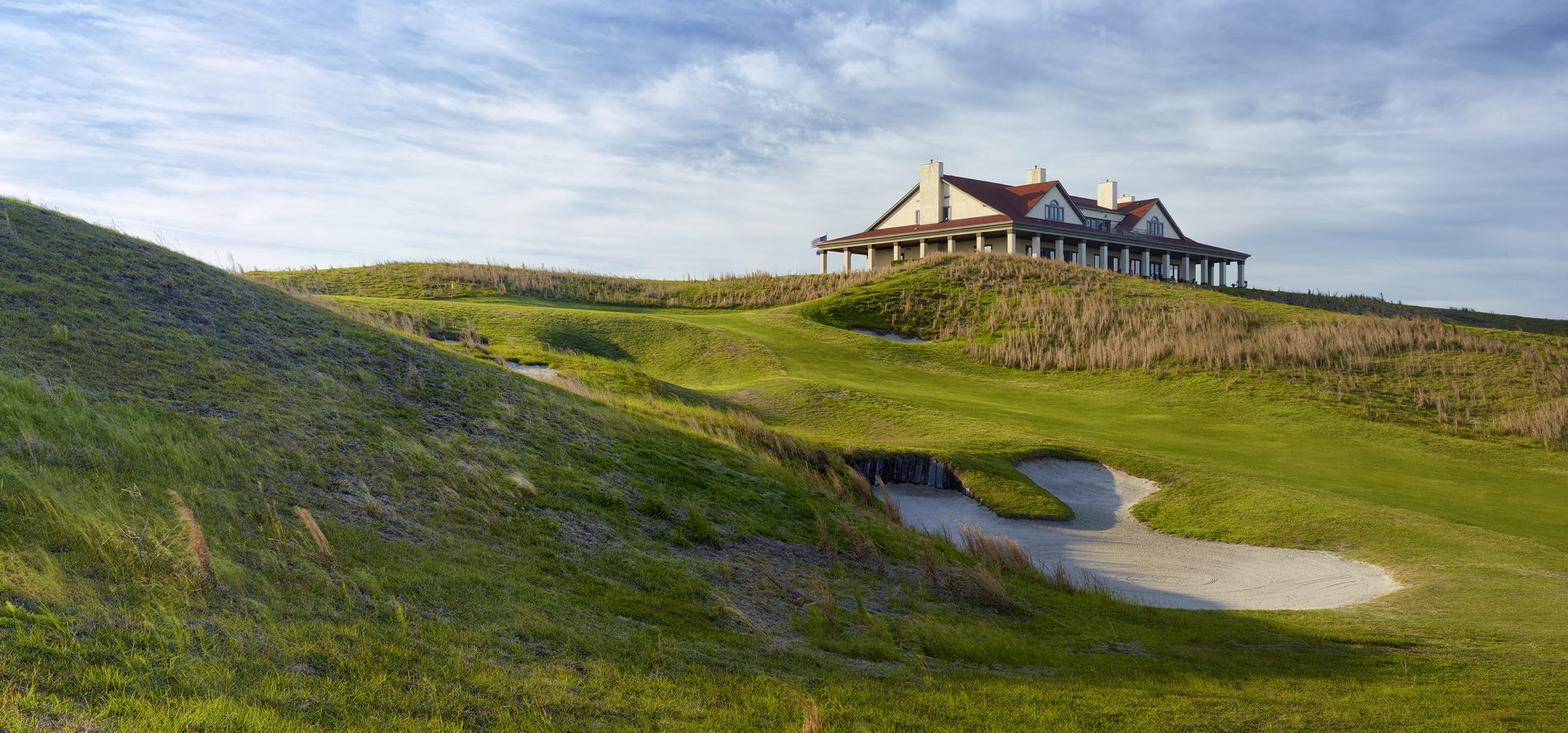
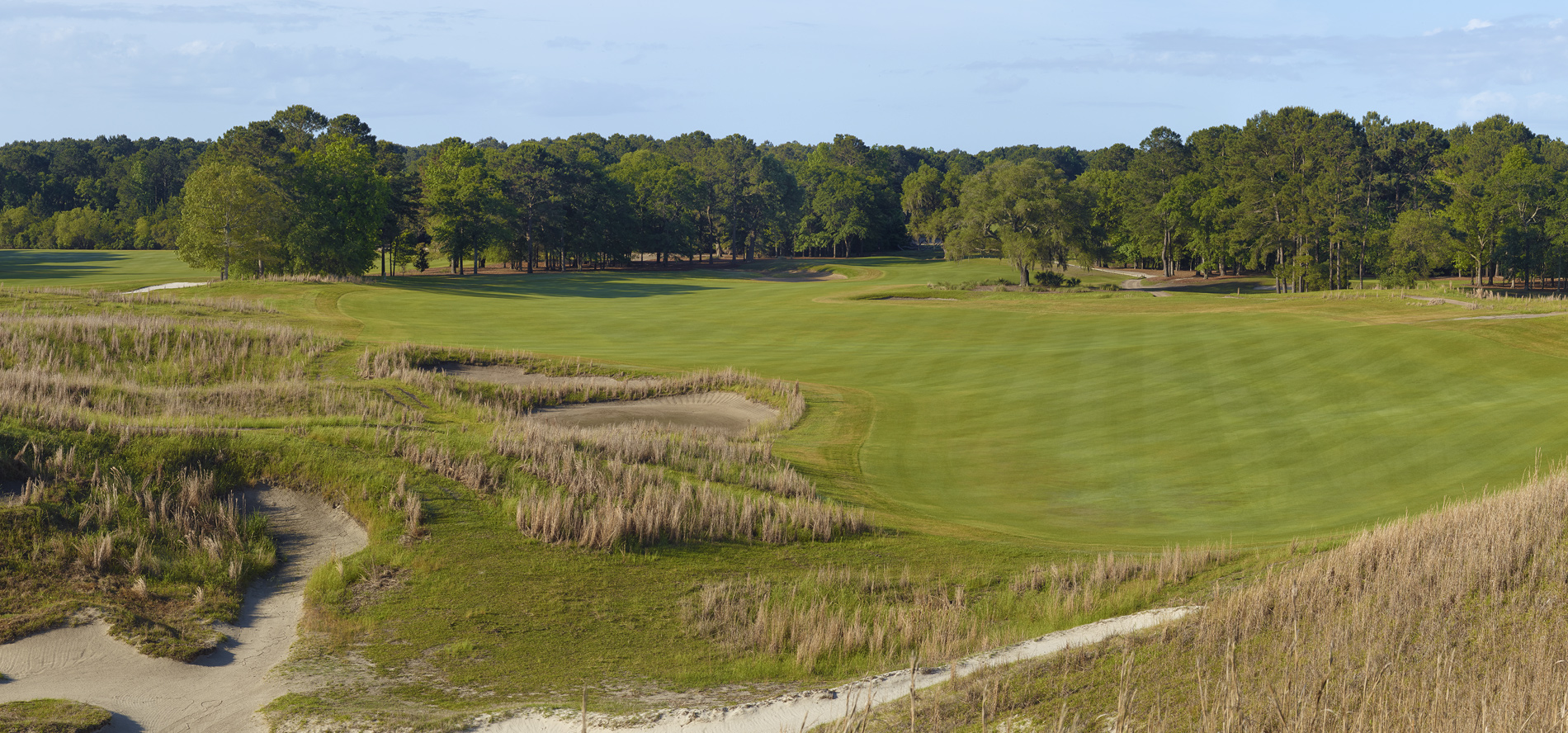
Mike Strantz treated golf holes as sculpture, and Bulls Bay is perhaps his most complete gallery. The routing threads through maritime forest and along tidal marshes north of Charleston, with artistic bunkering and green complexes that refuse to repeat themselves — a Lowcountry canvas from a designer whose early death in 2005 makes every remaining hole feel that much more significant.
History
Bulls Bay Golf Club in Awendaw, South Carolina, represents a singular achievement in American golf architecture — the final original design of Mike Strantz, completed in 2002 and standing as his only original work for a private club. Strantz passed away in 2005 at the age of 50 after a battle with cancer, leaving behind a portfolio of just five original designs that Golf World had recognized in 1998 by naming him Architect of the Year. Bulls Bay was his final statement, and it bore everything he had learned about transforming raw land into a golf experience of uncommon artistry and challenge. Strantz's connection to Bulls Bay went beyond the professional — like Donald Ross at Pinehurst No. 2 and Alister MacKenzie at Pasatiempo, he lived on the property he designed, watching the course take shape from the specific vantage of a man who would spend his daily life within it. That intimacy with the site produced a level of design intention and finish detail that distinguishes Bulls Bay from courses designed by architects who move on to other projects before the turf fully knits.
The site in Awendaw, just north of the Charleston-area tourism corridor, offered a once-flat stretch of Lowcountry coastline that presented few natural features of dramatic interest. Strantz's solution was extraordinary in scope: approximately two million cubic yards of earth were moved to reshape the site, creating elevation changes of up to 75 feet within a landscape that had been essentially flat. The resulting topography — tumbling, dramatic, utterly unlike the ground on which it sits — produces 360-degree views from elevated points that no naturally occurring Lowcountry landform provides. The transformation recalls the kind of ground shaping that Pete Dye applied at Harbour Town or Casa de Campo, but at a scale and with an artistic boldness that is distinctly Strantz's. The course plays to 7,220 yards at par 72, with bent grass greens and Bermuda fairways.
Golf observers have noted that Strantz modeled certain elements on Shinnecock Hills, the celebrated Long Island links where the 2004 U.S. Open would be played two years after Bulls Bay opened. The entrance road, which unwinds through trees before revealing a man-made hill more than 60 feet high with the clubhouse at its summit, directly evokes the iconic top-of-the-hill clubhouse approach at Shinnecock. The panoramic views from that height, entirely man-made from a flat coastal site, are among the more remarkable experiences in South Carolina golf. Strantz was an accomplished professional artist as well as an architect, and his artistic sensibility manifests throughout Bulls Bay's design in ways that more conventional course work does not reveal.
Green complex shapes, bunker contours, and earthwork transitions show the hand of someone thinking plastically about golf landscapes rather than simply organizing functional playing surfaces. The eighteen greens at Bulls Bay present an enormous variety of slopes, contours, and options — from the deliberately small and flat first green that eases players into the round, to the enormous 11th green, more than 60 yards deep, with a massive ridge running through its center. The native grasses that frame Bulls Bay's wide fairways add a coastal visual texture that recalls the links courses of Scotland and Ireland — a visual vocabulary Strantz employed to link the man-made landforms to the coastal ecology surrounding them. The combination of the course's dramatic topography, its links-influenced visual identity, and the artistic precision of its green complexes creates a round unlike any other in South Carolina golf. Bulls Bay serves as a private club while maintaining an identity as one of the architectural pilgrimage sites of Southern golf — a course that serious golfers and design enthusiasts seek out specifically because it represents the final creative work of an architect whose short career produced a handful of masterpieces and then fell silent.