Black Hall Club
49 Buttonball Road, Old Lyme, CT 06371Designed by Robert Trent Jones Sr. · Est. 1967
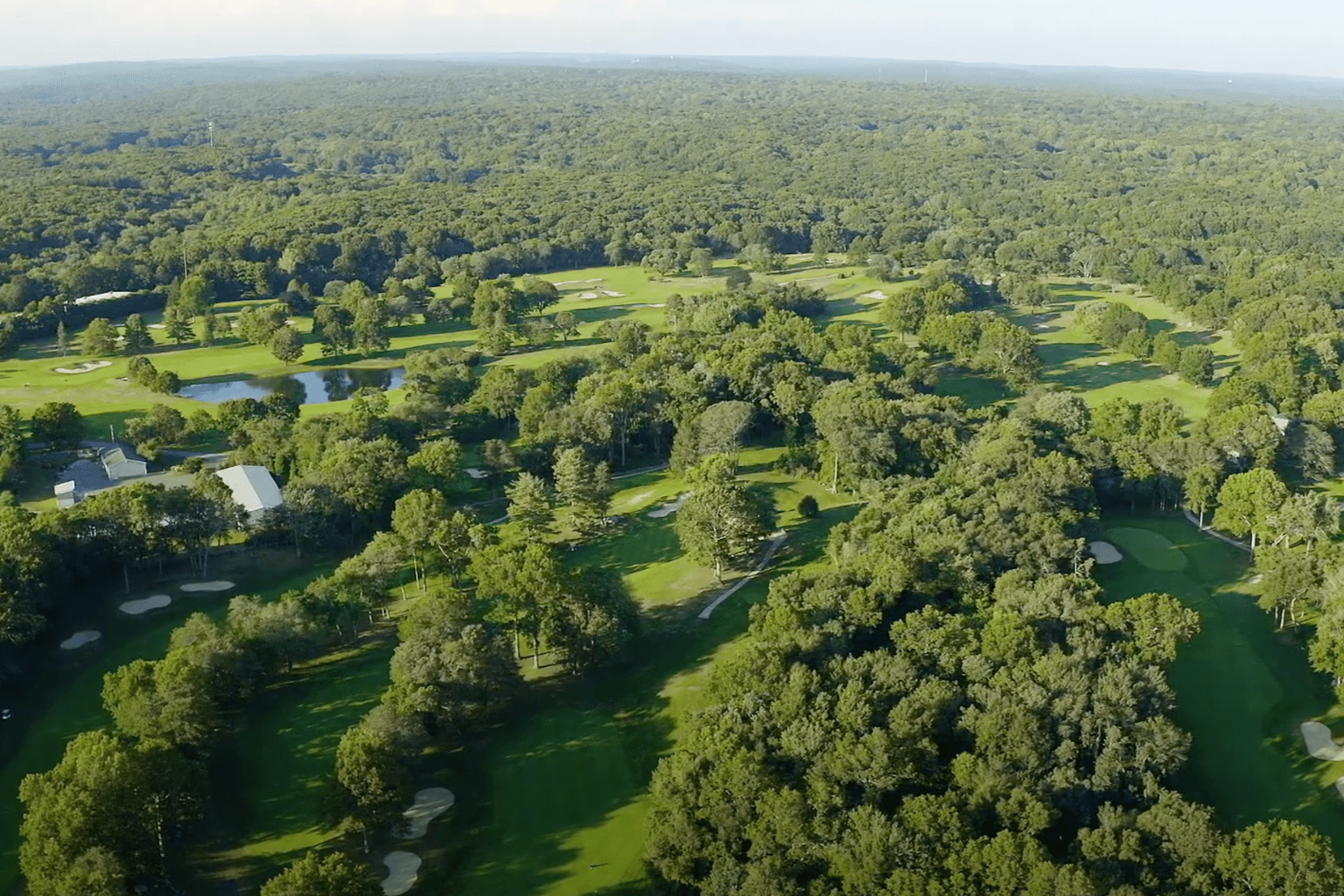
Black Hall Club is a Robert Trent Jones Sr. design that opened in 1967 in Old Lyme, Connecticut, offering a championship test across rolling terrain in the lower Connecticut River valley. The course has hosted numerous USGA qualifying events, the Connecticut Amateur, the Connecticut State Open, and CT PGA Championships, establishing itself as one of the highest-regarded layouts in the state.
History
Black Hall Club in Old Lyme, Connecticut was incorporated in March 1965 and opened for play on July 8, 1967, its creation driven by the recognition among a group of prominent Old Lyme residents that the Lower Connecticut Valley's existing golf facilities were inadequate to meet the demands of a growing population with increasing interest in the game. The founding came during a decade of significant change in the Old Lyme area: the construction of Interstate 95 and Route 9 had made the lower Connecticut River communities more accessible to Hartford and New Haven professional populations, accelerating residential development and creating demand for the kind of private club amenities that denser, more urbanized communities had long enjoyed. Robert Trent Jones — already established by the early 1960s as the most prominent golf course architect in the United States, his firm having redesigned Baltusrol, Oakland Hills, and other celebrated championship venues — was retained in 1962 to design and supervise the construction of the Black Hall course. Jones's engagement at a new private club in the Connecticut River Valley reflected the breadth of his practice: while his most celebrated work involved redesigning historic championship venues for major tournament play, Jones also built an extensive portfolio of new private club designs that brought his strategic vocabulary to clubs across the country.
The Old Lyme setting provides Black Hall Club with a natural and historical context of unusual richness. The town has been a center of the visual arts since the late nineteenth century, when the Lyme Art Colony — the American Impressionist movement's most significant New England gathering — established itself in the old Florence Griswold boarding house that is now the Florence Griswold Museum. The artistic heritage of Old Lyme gives the community a cultural identity that distinguishes it from purely residential suburban towns, and the combination of natural beauty, historical depth, and arts culture creates a membership constituency of particular sophistication. Jones designed the course on terrain typical of the Connecticut River Valley's eastern edge: rolling forested land with the natural drainage characteristics of the Connecticut shoreline region.
The proximity of the Connecticut River and Long Island Sound creates a maritime climate influence that extends the golf season slightly compared to inland Connecticut courses, while also introducing the coastal wind patterns that Jones incorporated into his strategic design decisions. The course plays through mature Connecticut woodland, with the natural grade of the site providing elevation changes that Jones used to create variety of shot type across the routing. Named for Black Hall, a historically significant section of Old Lyme adjacent to the Connecticut River, the club carries a name that connects it to the landscape history of a community with deep roots in both colonial and artistic heritage. The Black Hall district's association with the artists of the Lyme Art Colony and with the natural beauty of the Connecticut River estuary gives the club's name an evocative resonance beyond mere geography.
The club has served the Old Lyme community through more than five decades of operation, its Robert Trent Jones design maintaining the strategic character that distinguished Jones's work throughout his career. Jones's fundamental approach — creating courses where intelligent placement of hazards rewards strategic thinking and punishes imprecision — has kept the course relevant through the evolution of equipment and playing standards that has challenged the designs of less strategically sophisticated architects.